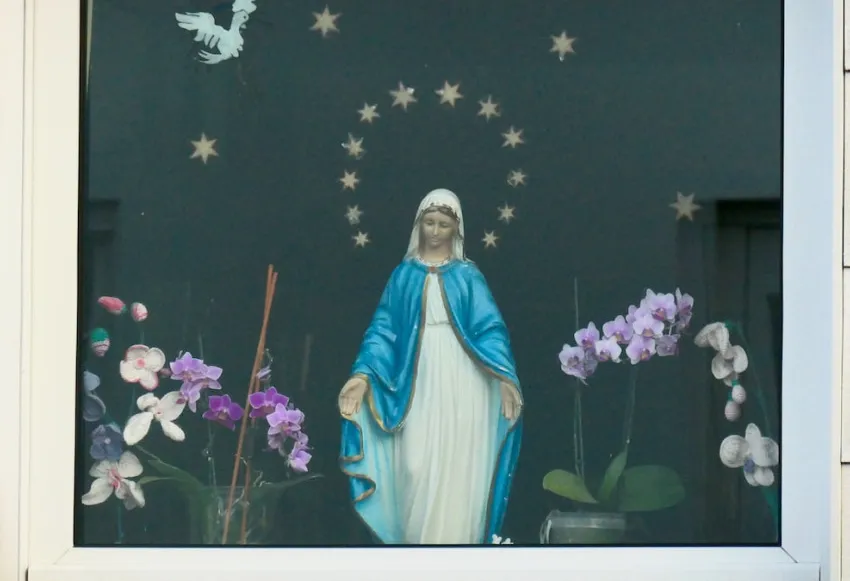
Blessing: a powerful and transformative force that brings divine favor, abundance, and positive outcomes in one's life. The concept of blessing has been deeply ingrained in various cultures and religions around the world for centuries. The impact of receiving or imparting a blessing can be truly incredible, shaping the course of individuals, families, and even nations. In this article, we embark on a journey to explore the profound influence of Aaron's Blessing and how it can unlock divine favor and abundance in our lives.
The Origin and Significance of Aaron's Blessing
Unveiling the Scriptural Context of Aaron's Blessing
Aaron's Blessing, also known as the Priestly Blessing or the Aaronic Benediction, is derived from an ancient Hebrew text found in the Old Testament of the Bible. It is named after Aaron, the brother of Moses and the first High Priest of Israel. Aaron's Blessing is recorded in the book of Numbers, specifically in Numbers 6:22-27. Let's delve into the scriptural context to understand the origin and significance of this profound blessing.
According to the biblical account, God instructed Moses to relay specific words to his brother Aaron, the High Priest. These words served as a means for Aaron and his descendants to bless the people of Israel. The blessing is structured in three distinct parts:
-
The Lord's Face and His Favor:
"The Lord bless you and keep you; the Lord make his face shine on you and be gracious to you." (Numbers 6:24-25, ESV) -
The Lord's Presence and His Protection:
"The Lord turn his face toward you and give you peace." (Numbers 6:26, ESV) -
The Divine Seal:
"So, they shall put my name upon the people of Israel, and I will bless them." (Numbers 6:27, ESV)
Unlocking the Power of Aaron's Blessing
Aaron's Blessing holds immense power and potential, transcending time and cultural boundaries. Its impact reaches far beyond its original recipients and continues to touch the lives of those who embrace its message. Here are key aspects that unlock the power of Aaron's Blessing:
-
Divine Favor and Protection: The words of Aaron's Blessing invoke God's favor, protection, and grace upon the individual or community receiving it. Divine favor acts as a shield against adversity, opening doors of opportunity and abundance.
-
Divine Presence and Peace: The blessing also brings the assurance of God's presence. When God turns His face towards someone, it signifies His attention, care, and guidance in their lives. This divine presence brings inner peace and tranquility, even amidst life's challenges.
-
Divine Seal and Blessing: The concluding verse of Aaron's Blessing emphasizes the unique connection between God and His people. By putting God's name upon the people, they are set apart, marked with divine favor, and positioned to receive His abundant blessings.
The Profound Influence of Blessing in Various Cultures
Blessings, in various forms, have been an integral part of human culture since time immemorial. From ancient civilizations to contemporary societies, blessings hold a deep-rooted significance across diverse traditions. Let's explore the profound influence of blessing in different cultures:
Blessings in Eastern Traditions
-
Hinduism: In Hinduism, blessings are commonly conveyed through the Sanskrit phrase "Swasti vachan." The recitation of Vedic hymns and mantras during religious ceremonies invokes divine blessings for well-being, prosperity, and spiritual growth.
-
Buddhism: Blessings play a significant role in Buddhist rituals and practices. Devotees seek blessings from Buddha and enlightened beings for wisdom, enlightenment, and liberation from suffering.
Blessings in Abrahamic Religions
-
Judaism: Apart from the Aaronic Benediction, Judaism encompasses various blessings that are recited in daily life. The Birkat Kohanim (Priestly Blessing) is often pronounced by Kohanim (descendants of Aaron) during certain religious services, conveying the blessings from God to the people of Israel.
-
Christianity: The concept of blessings holds a prominent place in Christianity. In addition to personal blessings bestowed through prayer, public blessings are given by clergy to individuals, families, and even objects such as homes, vehicles, and religious artifacts, invoking divine favor and protection.
-
Islam: Blessings, known as Barakah, are deeply cherished in Islamic tradition. Muslims seek blessings from Allah for guidance, success, good health, and peace. The Prophet Muhammad is also regarded as a source of blessings, and his intercession is sought for divine favor.
Blessings in Indigenous Cultures
-
Native American: Native American cultures have rich traditions of blessing ceremonies. Shamans and spiritual leaders invoke blessings to honor the land, animals, and individuals, fostering harmony, healing, and connection with the spiritual realm.
-
Maori: The indigenous people of New Zealand, the Maori, have a concept of blessings known as "karakia." Karakia serves as a form of prayer, protection, and guidance, encompassing various rituals and incantations.
The impact of blessings in these cultures goes beyond mere words. They serve as a means of connecting with the Divine, expressing gratitude, seeking guidance, and invoking positive energies in different aspects of life.
Embracing the Power of Blessing in Daily Life
Now that we have explored the incredible impact of Aaron's Blessing and the influence of blessings in various cultures, let's delve into how we can embrace the power of blessing in our daily lives. Here are some practical ways to invite divine favor, abundance, and positive outcomes through blessing:
-
Count Your Blessings: Cultivate an attitude of gratitude by acknowledging and appreciating the blessings in your life. Regularly reflect on the positive experiences, relationships, and opportunities that have come your way.
-
Bless Others: Embrace the act of blessing others. With genuine intentions, offer words of encouragement, well-being, and positive affirmation to your loved ones, friends, and even strangers. Your blessings can have a ripple effect, bringing joy and inspiration to those who receive them.
-
Invoke Divine Blessings: Seek the blessing of a spiritual leader or clergy member from your religious tradition. Receive personal blessings that convey divine favor, protection, and guidance in your life journey.
-
Practice Mindful Blessing: Incorporate moments of mindful blessing in your daily routine. Before meals, take a moment to express gratitude for the nourishment you're about to receive. When faced with challenges, silently offer a blessing for strength, clarity, and divine intervention.
-
Create Blessing Rituals: Establish personalized blessing rituals that resonate with your beliefs and values. Light a candle, recite a mantra, or meditate on blessings to bring focus, intention, and positive energy into your life.
By embracing the power of blessing, we invite a shift in our consciousness, aligning ourselves with divine favor and abundance. It is important to approach blessings with humility, respect, and a genuine desire to uplift ourselves and others.
The Comparison Chart: Aaron's Blessing vs. Other Blessing Traditions
Below is a comparison chart highlighting the similarities and unique aspects of Aaron's Blessing and other prominent blessing traditions:
| Aaron's Blessing | Hinduism's Swasti Vachan | Buddhist Blessings | Jewish Birkat Kohanim | Christian Blessings | Islamic Barakah | |
|---|---|---|---|---|---|---|
| Significance | Priestly blessing within Judaism | Blessing for well-being | Blessing for guidance | Blessing for the | Blessing of divine favor | Blessing of |
| prosperity and spiritual | and liberation | people of Israel | and protection | divine favor | ||
| growth | from suffering | |||||
| Rituals and | Recited by Kohanim during specific | Recitation of Vedic | Recitation of mantras | Recited by Kohanim | Prayers, anointing | Seeking blessing |
| Practices | religious services | hymns and mantras | during certain | of individuals, families, | and guidance | |
| religious services | homes, objects, etc. | |||||
| Key | Divine favor, protection, presence, | Well-being, prosperity, | Wisdom, enlightenment | Divine favor, | Divine favor, | Divine favor |
| Aspects | peace, and abundant blessings | and spiritual growth | and liberation | protection, | protection, | |
| guidance | guidance | |||||
Though blessings share common themes of divine favor and guidance, each tradition has its unique rituals, practices, and beliefs associated with blessing.
Conclusion: Embracing the Enduring Power of Blessing
Throughout history and across cultures, the impact of blessings has been transformative and profound. Whether it is Aaron's Blessing in Judaism, the Sanskrit chants in Hinduism, or the personal blessings in Christianity, the power of divine favor and abundance remains constant. By embracing the art of blessing in our daily lives and recognizing its universal significance, we can unlock the incredible impact of Aaron's Blessing and invite divine favor and abundance into our journey. Let us be vessels of blessing, spreading love, positivity, and gratitude to create a ripple effect of goodness in the world.